
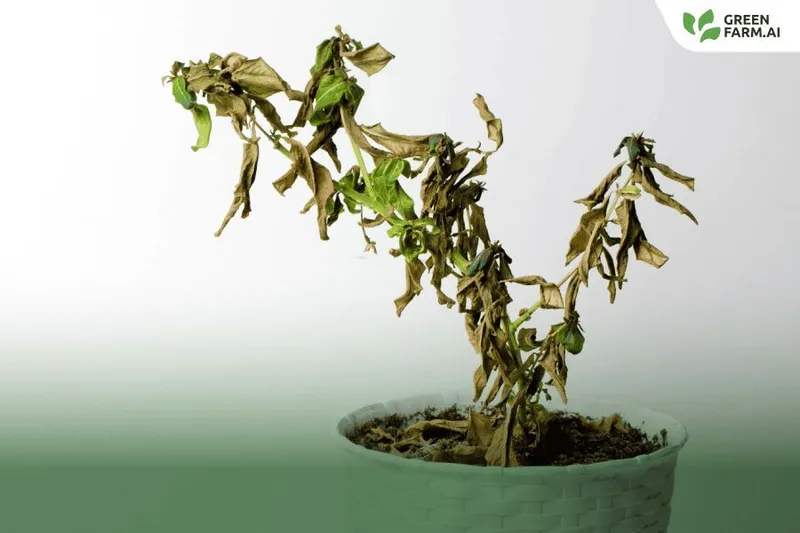
One of the biggest challenges for farmers during the summer season is the decrease in water availability. This leads to rising water management costs, and without proper planning, crops can suffer significantly. Today, we'll share efficient water management strategies to help your crops survive and thrive.
Use Drip Irrigation and Mulching to Prevent Weeds and Water Loss from Evaporation
Drip irrigation systems deliver water directly to the plant roots, minimizing evaporation losses and reducing water usage costs compared to traditional watering methods. Using mulch or ground cover also helps retain soil moisture and suppress weed growth.
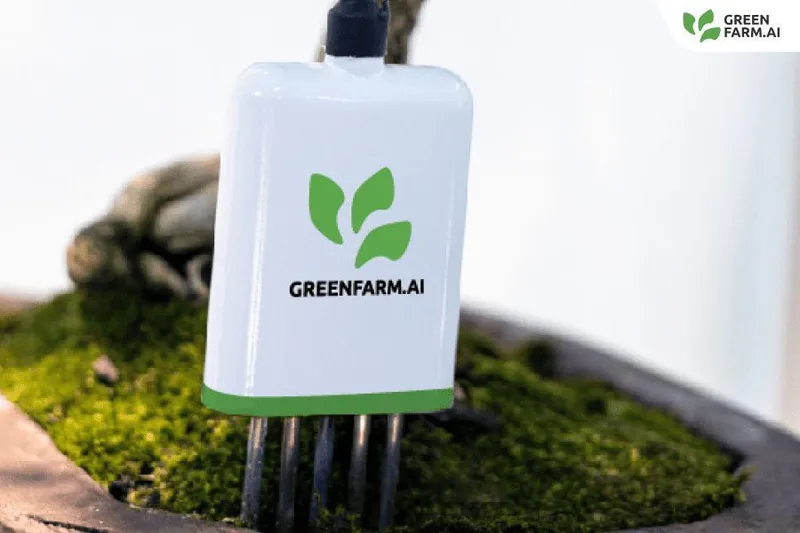
Install Soil Moisture Sensors
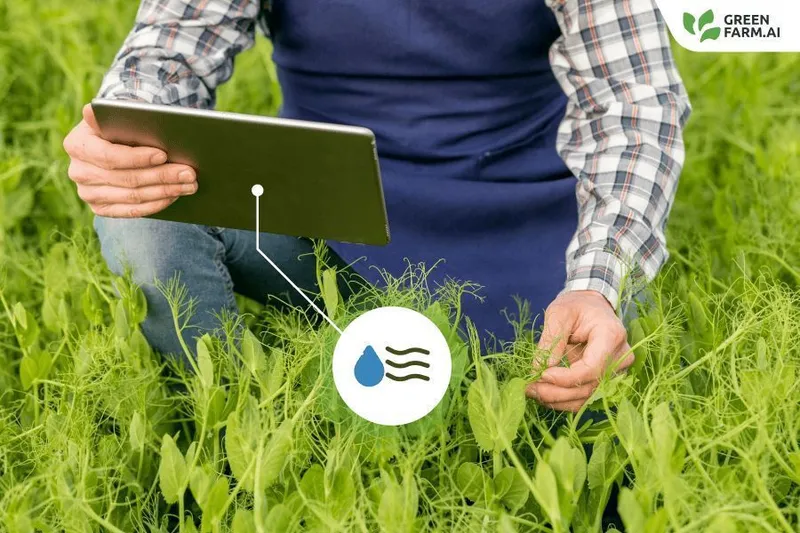
These sensors measure real-time soil moisture levels and can connect to an automated irrigation system. This ensures crops receive the right amount of water — no more, no less — helping to avoid waste while maintaining healthy plant growth.
Use Greenhouses or Shade Nets
Smart greenhouses that can control temperature and rainfall exposure help prevent moisture loss and provide a stable environment for crops. This can significantly reduce the amount of water needed during hot and dry conditions.
Harvest Rainwater and Reuse Water
Building rainwater catchment ponds and filtration systems for water reuse can reduce dependency on external water sources. This also promotes sustainability and increases the farm's long-term resilience.
Interested in automated water management for your farm? Contact the GreenFarm.AI team